Collected and received
What the rider took and what the office received are two facts, kept apart on purpose.
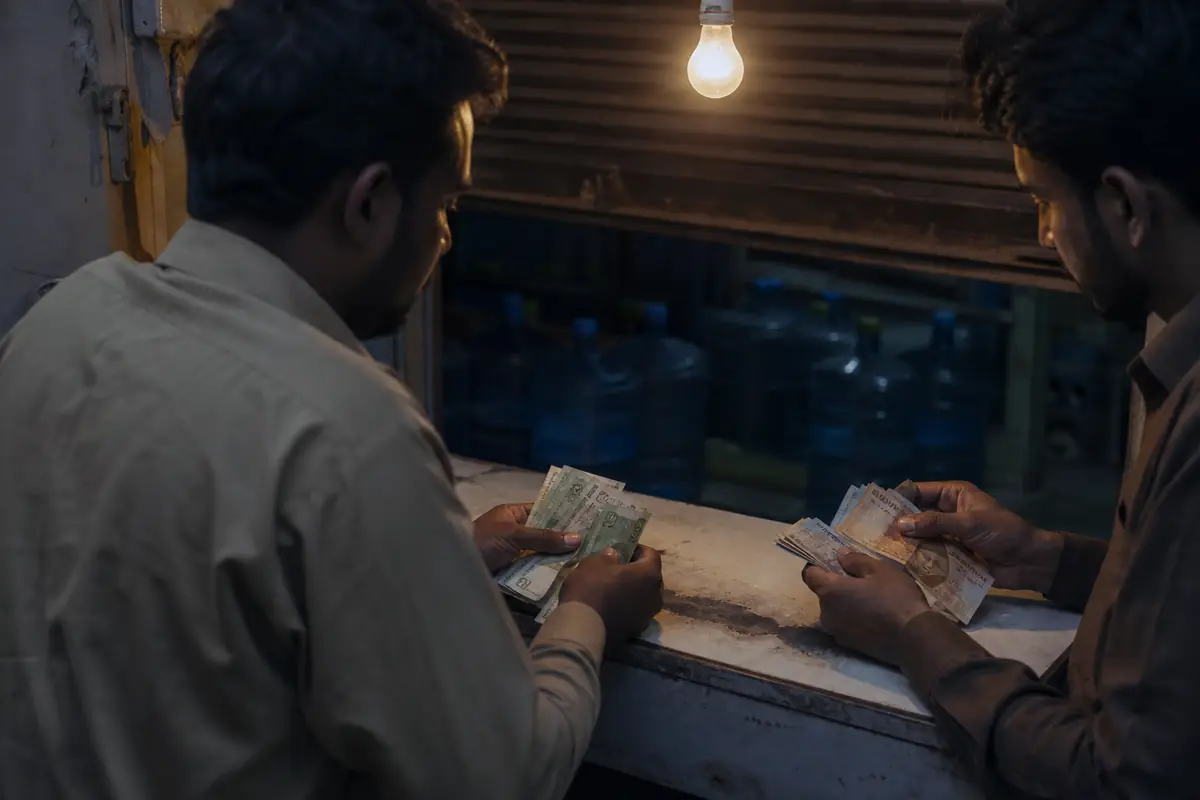
Riders collect cash on route. The accountant posts it to the right customer, and the day close matches collection against what was actually handed in.
Cash moves from a customer to a rider to a drawer. Somewhere in that chain the paper stops matching, and the argument starts.
The rider remembers one figure, the register shows another, and nobody can point at the stop where they split.
A note lands in the drawer with no customer attached, so somebody stays marked as owing.
When a customer asks what is pending, you promise to check and call back tomorrow.
Money taken at the door is recorded on the spot, against the customer who paid it.
The office receives the cash and posts it to that customer deposit, which moves their dues down.
What was collected on route is set against what was handed in. The gap is visible, not guessed.



What the rider took and what the office received are two facts, kept apart on purpose.
A deposit is posted to a customer, so no payment floats around unattached.
Balances are held one customer at a time, never netted into a single shop figure.
A day is not finished until collections and handovers have been set against each other.
A wrong posting is corrected in the record, so the trail of what happened survives.
The day close shows the difference between what was collected on route and what reached the office. You see the gap the same night instead of finding it weeks later.
Yes. The correction is made in the record rather than by erasing the original, so both the mistake and the fix stay visible.
No. Deposits reduce that customer dues and credit is kept on that customer, so one prepaying household never hides another household arrears.

Bring your riders, your customers and your day close into one place, and stop reconciling from memory.
Start free trial