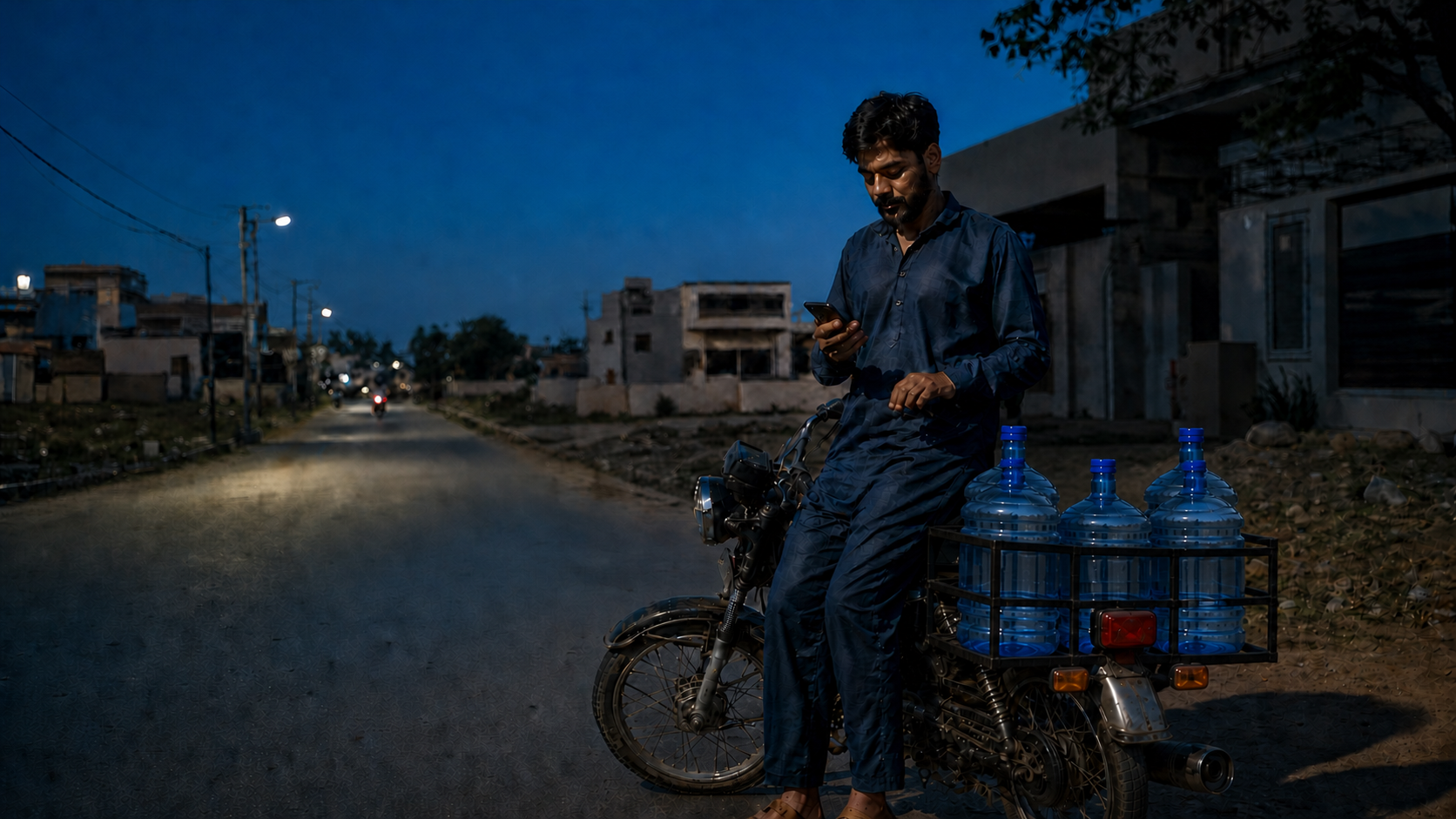
The rider is never blocked
Weak coverage does not stop a delivery, a collection or a new customer being recorded.
The app works without internet. Basements and back lanes do not stop the day, and entries queue on the phone until the signal comes back.
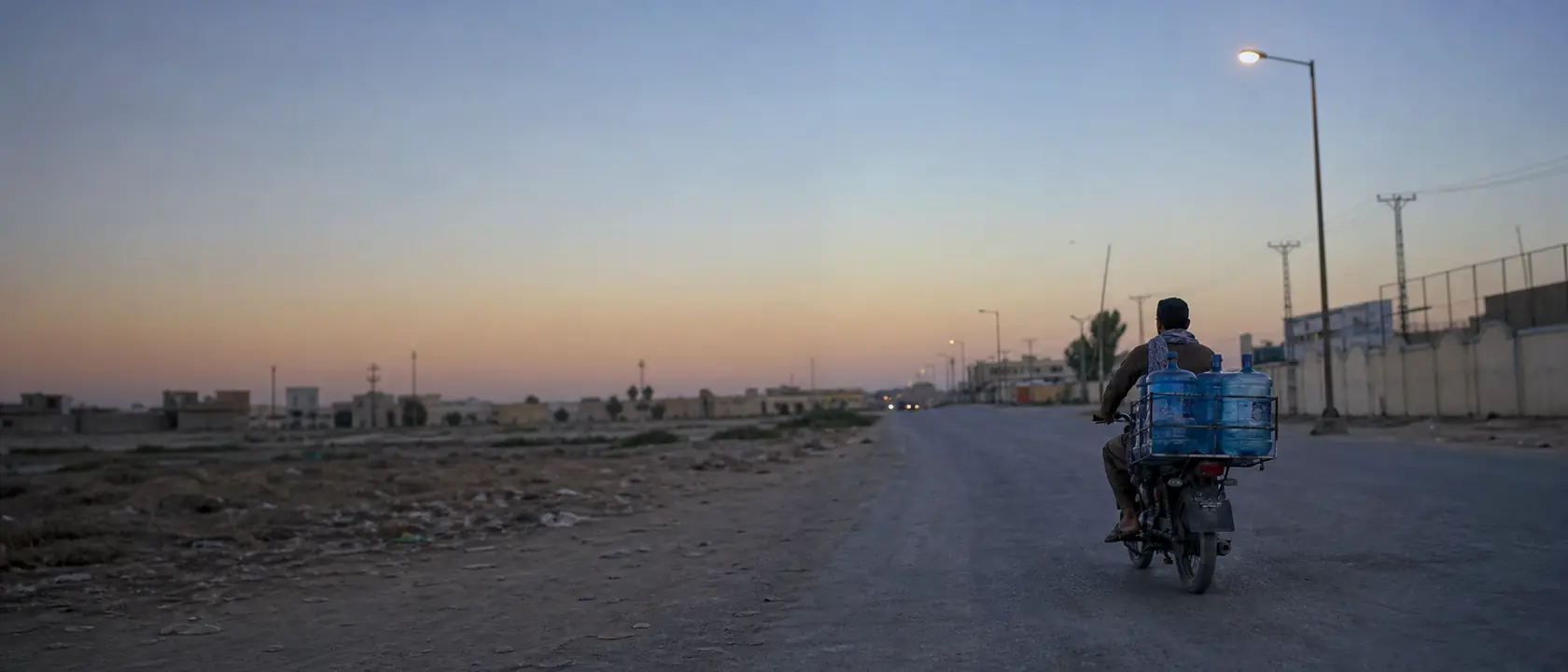
A rider reaches a basement or a lane with no bars, and an app that needs the network turns him back into a man with a notebook.
The rider waits at the gate for a network that is not coming, while the customer waits too.
He writes it down to enter later, and later is where entries get lost or changed.
A whole route is typed in at night, hours after it happened, by somebody who was not there.
The rider keeps working. Deliveries, collections and new customers are recorded as normal.
The entries are queued locally and held encrypted until there is a line to send them on.
The queue syncs on its own and the office sees the work without anyone typing it again.
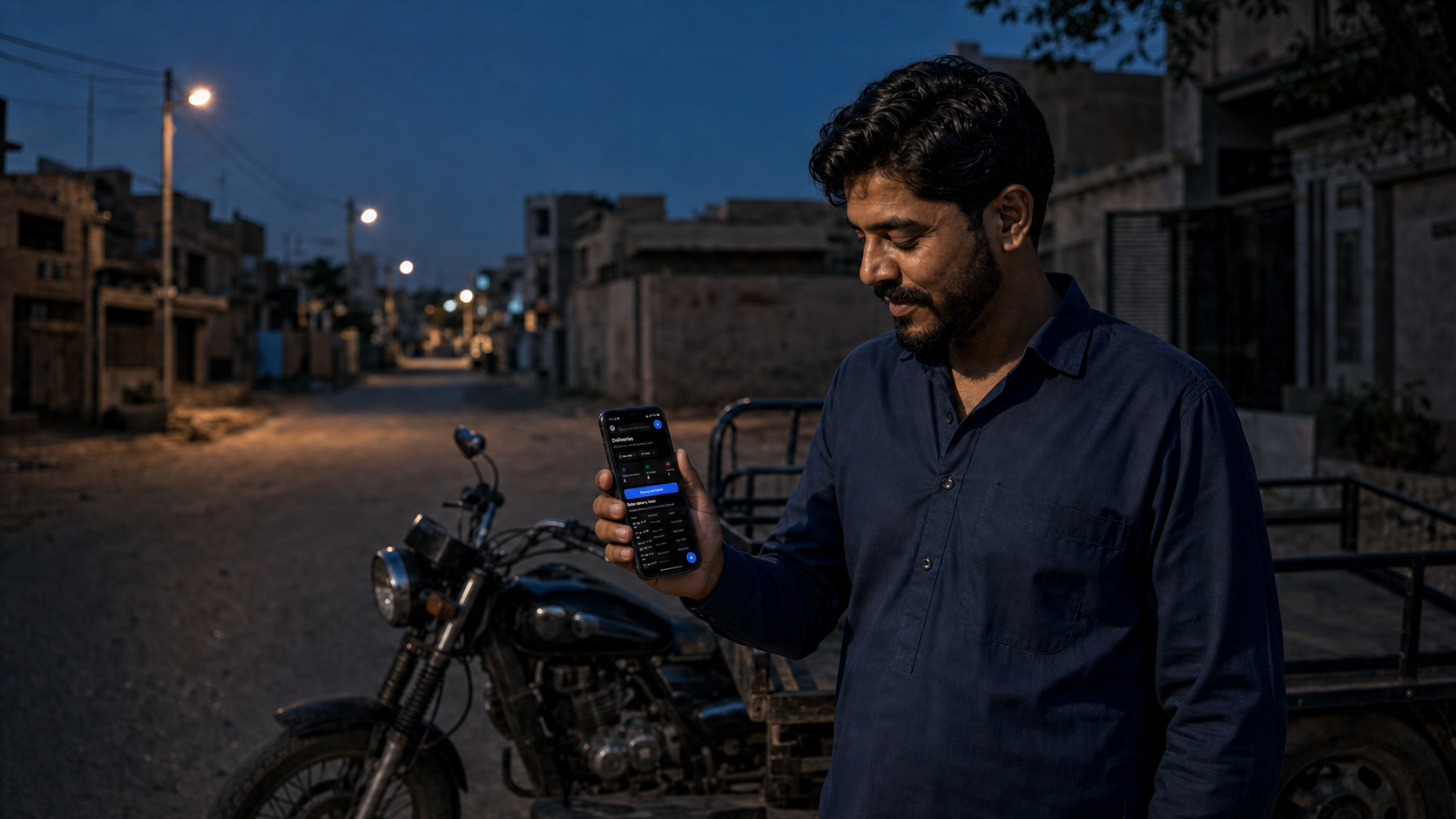
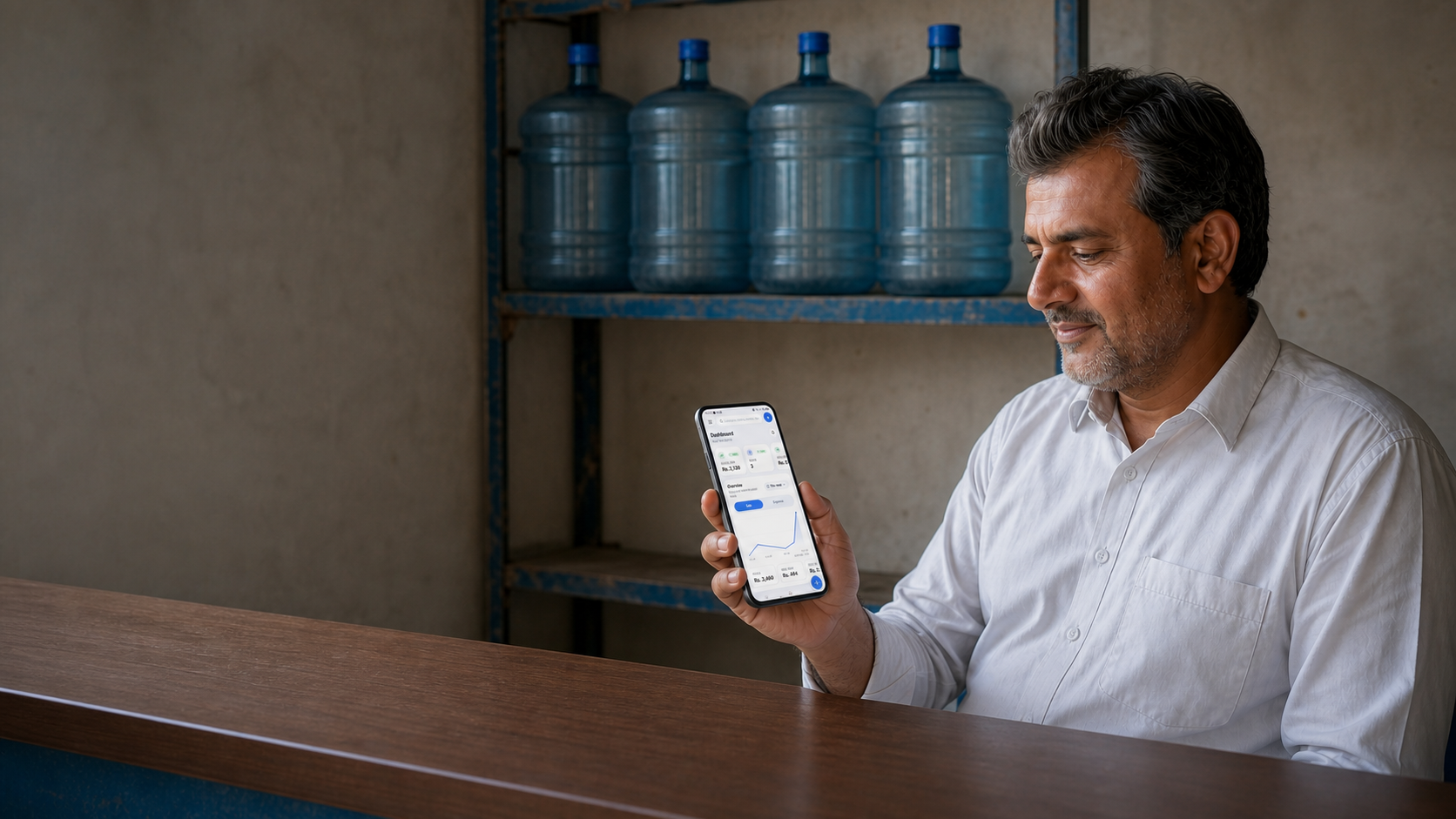
Weak coverage does not stop a delivery, a collection or a new customer being recorded.
Work done offline is held on the phone until it has somewhere to go.
Queued records are kept encrypted, not sitting in plain text on the handset.
When the line returns, the queue goes up without the rider being asked to do anything.
The office does not rebuild the route at night from a rider notebook.
Mark deliveries, record collections and add customer records. The work is queued on the phone and goes up when the connection returns.
Queued records are held encrypted on the device rather than in plain text, so a lost or borrowed handset does not hand over your customer list.
No. The queue goes up on its own once there is a connection. The rider carries on with the route and does not manage it.
Give your riders an app that records the work where it happens, with or without a signal.
Start free trial